
Usefulness
An Essay on Moving Closer to What Matters.

On Wednesdays, late morning, I’ll find myself turned toward the window, staring at a tree, trying to follow a conversation in the next room. When that happens, it’s because a speech therapist is at our kitchen table working with my three-year-old, who would not hear without cochlear implants.
I listen as she pulls from neurology, psychology, and audiology - and translates it into games my daughter can play. Occasionally, I step into the kitchen, fill my coffee, and say hello. She’s friendly. She asks about something she remembers my wife mentioning, then lets the conversation run out and returns her focus to my daughter.
I don’t know how much money she makes. We contract her services through the state. All I know is that she arrives, sets down her bag, and changes the course of someone’s life.
In the military, the standards and milestones for promotion are public knowledge. Service members are told how to advance and encouraged to do so as quickly as possible. Those who ascend fastest, reaching the highest rank in the shortest amount of time, are celebrated and pointed to as examples.
On one deployment, while attached to an adjacent unit, I noticed a different model. When life and death was at stake, away from home when the work held consequence, we seemed to organize according to usefulness. Rank seniority, of which there was plenty, took a back seat to relevance, to those closest to their craft. This applied outside of combat roles as well. Logisticians, mechanics, and corpsmen - all organized according to utility.
We often find ourselves in transition when we detect a distance between where we are and what we believe we’re capable of. When that happens, it’s natural to focus on trajectory. We plot our ascent, we imagine a path toward what we perceive to be a better station in life. We start to explain ourselves through what will eventually be true. We sacrifice the present for what it will produce: the next role, the next compensation band, the place where our true work supposedly begins.
The problem with optimizing for trajectory is that it too often causes us to defer usefulness.
By pursuing distance (sometimes referred to as “climbing the ladder”) we forfeit time where attention and skill should be moving us closer to our most capable selves.
Years pass, titles change, compensation may increase but in the end, we risk having nothing to show for it outside of our retirement accounts. No belief that our life’s work carried any real consequence.
After the Korean War, Robert M. Pirsig struggled to establish a professional life. Years of instability, including hospitalization, left him with few prospects in life. Finally, in 1968, Prisig wrote an essay comparing the act of repairing motorcycles to what he knew about Zen practices - the value a person receives through care, maintenance, and attention to what’s in front of them.
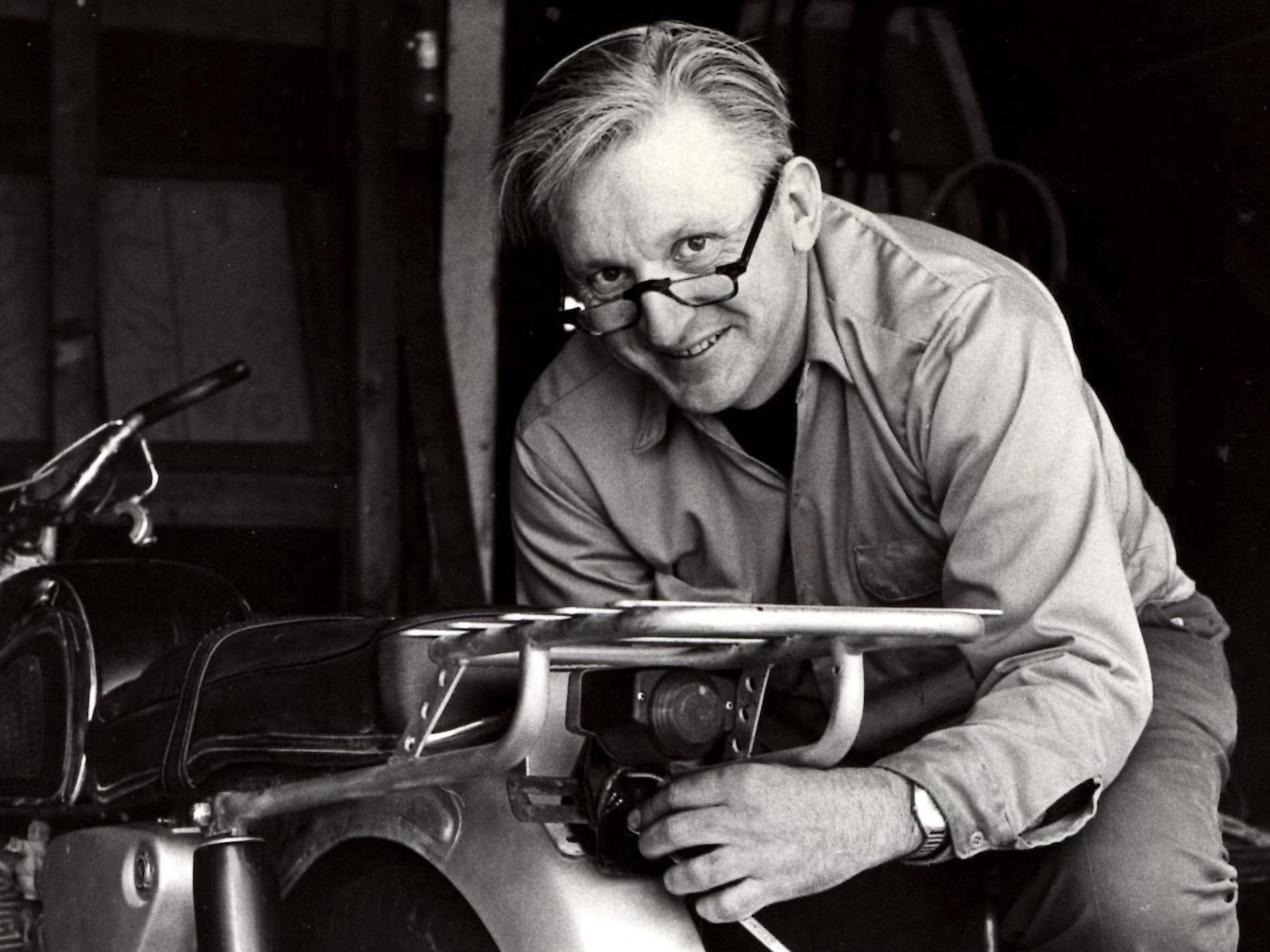
In 1974, that essay became a book, Zen and the Art of Motorcycle Maintenance, which has since sold more than five million copies.
Transition, choosing a vocation, and deciding how to spend one’s productive years involve countless considerations. Motivations shift, circumstances change, interests appear and disappear as life unfolds.
However, if you’re in the midst of transition now, it may be worth considering a useful path.
At a time when answers to questions of purpose and meaning seem increasingly sought after (now found in airport bookstores and through life coaches,) the most useful appear the least interested.
The speech therapist at the kitchen table, the operator planning the next route - they aren’t searching for these answers because the work itself has revealed them.
Great piece!
Perfect title on a powerful piece Ben. My wife is a speech pathologist and I’m an audiologist. Your writing and interviews are as useful as they come.