


We moved to Cedar Park that year, to a larger house in a new neighborhood called Pheasant Run, where every house looks the same. One morning not long after we moved in, I stood in our bedroom in the dark, placing pants and a shirt into a duffel bag while Kathryn slept, careful not to wake her.
Coming down the front steps, the street was empty except for a man walking his dog at the far end by the oak trees that extend over the road like a canopy. I turned left at the fountain by the entrance to Pheasant Run, and it wasn’t more than five minutes—at one of the red lights beside the big box stores on Whitestone—when the cupholder illuminated as a result of receiving multiple texts.

“Big day today,” The first one read. “Your mission is Kirk Ellison. It’s ABSOLUTELY critical we grow the business with LoneStar, and Dr. Ellison is a huge part of that!”
The texts came from Tony Walters.
I dropped the phone in the passenger’s seat and drove with the radio off, convincing myself I was justified in waiting until the sun came up to respond.
Driving north on 183, it’s difficult to know where Cedar Park ends. Starbucks and Whole Foods give way to H-E-B and McDonald’s, then it’s mostly strip malls and car dealerships. Empty lots become empty fields, and before long there’s nothing but power lines and the occasional barn, usually leaning as a consequence of wind.
If there was to be a sunrise that day, it would have happened near Lampasas. But the sky was overcast and the day came on the way overcast days do—dark, and then all of a sudden light, and difficult to know when the change takes place.
By Goldthwaite, what people refer to as “Hill Country” is behind you and it’s flat, making the sky appear larger. At the town’s only red light, I checked my phone again and found a new message, this time from Kathryn, saying good morning and asking that I let her know when I arrived.
I clicked back to the messages from Tony Walters. Your mission is Ellison…
“I’m on my way,” I typed and hit send.
“This one’s huge,” He responded immediately. “Huge for you and one we really need.”
I waited for something—a kind of feeling you expect when moving toward something consequential, but nothing showed up. I was two months into the job and still figuring out the way things worked, the way people speak to one another, and the best way to work with Walters.
Earlier that week, I met with purchasing folks and some of the finance people from LoneStar Cardiology, over Zoom, but never with Dr. Ellison. The interventional cardiologist was scheduled to perform an angiogram and atherectomy at nine that morning and another at the same time the following morning. At the last minute, Ellison agreed to test one of MedAlliance’s newest mid-weight guidewires, and thus it was understood I would be in Abilene to assist and encourage a sale.
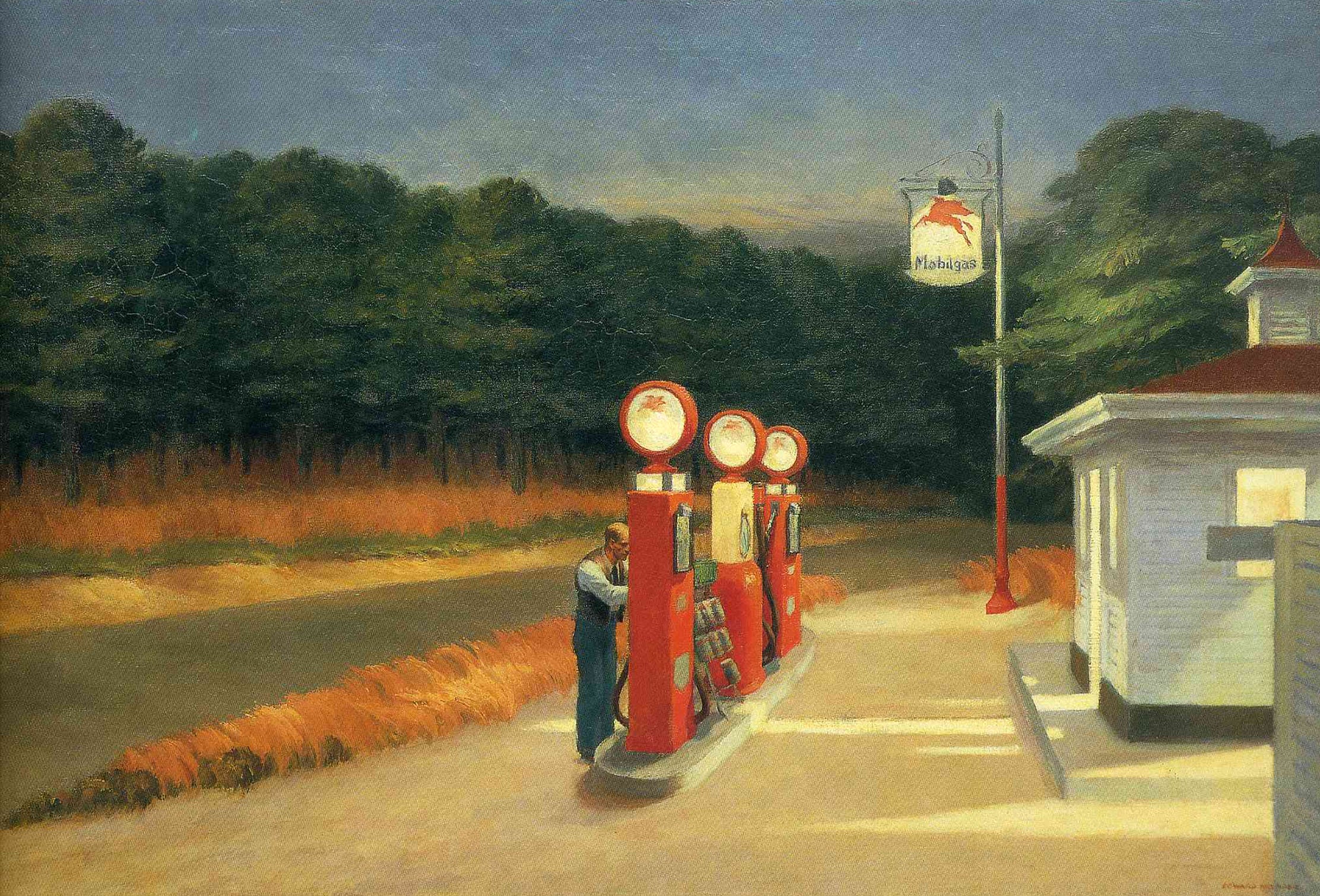
I stopped at a gas station across from Abilene Regional and bought a cup of “Premium Blend” on the company card. The sky was a single, unbroken sheet of gray, the kind that takes color out of everything and almost makes you prefer rain just so you have something to look at.
At the hospital, I circled a few times to find a spot, stopping every fifty feet, once for a woman in a wheelchair, and again for an old man in a blue hat with pins and “USS Kitty Hawk” written across the top in yellow letters.
I took the elevator to the fifth floor and studied a wall-mounted directory until I found the words: Cardiovascular Services/Cath Lab - Suite 500. Down the hallway I entered a waiting room with blue polyester loveseats and a TV showing local news and a woman at a desk wearing scrubs, scrolling her phone with one hand and holding a large mug with the other.

“How can I help you?” she asked, setting her phone down.
“I’m here from MedAlliance. Here to observe a procedure scheduled with Dr. Ellison. I think I’m in the right place?”
She lifted the radio next to her keyboard.
“Ms. Betsy?” she said, bringing the radio to her mouth.
“Yes Ma’am?” answered the voice on the other end.
“There’s a sales rep up here.” She released the button and made eye contact with me for the first time. “What’s your name, sir?”
“Thomas Waller,” I said. “Tom Waller.”
“Tom Waller. Saying he’s here for Ellison’s nine A.”
I considered what things might look like on the other side of the radio - doctors, nurses, anesthesia teams - preparing to do a job, to perform a life-saving surgery. Then hearing the radio, letting them know they would now be joined by someone who’s come to sell them something.
“Send him on back,” the voice said.
Through the next set of doors, bright light shone on sinks and stainless-steel tables, and the smell of disinfectant felt familiar and distant at the same time. Seven people were in the room, all but one wearing maroon scrubs and for better or worse, none of them seemed to notice me. The man without scrubs looked to be two decades older than the rest and typed on a laptop mounted to a cart. That’s Ellison, I thought. He was tall with thinning gray hair - not far from what you come up with if you imagine a mid-sixties cardiologist.
I looked around at the equipment and the prep work and how recently I’d been on the other side of all this. Focused, with a job to do, in rooms just like this, only usually in a tent instead of a hospital.
“You Tom? From MedAlliance?” A voice interrupted my daydream.
The man I assumed was Ellison was now standing behind me.
“Yes sir… Dr. Ellison?”
“You got it.” The man said, extending his hand.
“Thank you for having me… For allowing me to attend.”
He looked at me over his glasses and I could tell I didn’t match the profile he was expecting. “No problem at all,” he said. “Like I told…” He paused. “Whoever I’ve been talking to. We’re always willing to test new equipment, but we’re also pretty happy with our current set-up.”
“Sure,” I said. “I understand that.”
As soon as I spoke, I thought of Tony Walters. What he would want me to say instead.
“Where you in from?” Ellison asked.
“Cedar Park… Austin.”
His expression changed just enough to register disappointment. As if to say “that’s too bad,” but would not on account of having just met me.
“You grow up in that area?” he asked instead.
“Just moved there in June.”
“I see,” he said. “And before that?”
“Kentucky originally. But I lived in North Carolina for about twelve years. Outside of Atlanta, briefly.”
He nodded, as if there was more he wanted to ask if time allowed. “Have they run you through the procedure plan yet?”
“No sir. And I’m happy to help with setup.”
“Standard angiogram/atherectomy. Patient’s seventy years old and I believe he came to us from VA. Femoral claudication, significant enough to treat. I’m surprised he waited so long to come in, but you know how these guys are. We’ll do an initial run, see how it looks with contrast. I’m sure you see a lot of these.”
I nodded in a way that withheld whether or not that was true.
“We’ll run your guidewire, remove as much plaque as we can, then decide on a balloon. It won’t be enjoyable, but shouldn’t be too bad. Most of these guys have pain tolerance like a rusted fence post.”
In sterile overclothes, I moved into the operating room and stood as far out of the way as possible. A green curtain hung vertically at the patient’s waist, dividing his upper and lower body. I watched him as he answered questions from one of the nurses, caught somewhere between anxiousness and whatever sedative was running through the plastic tube in his left arm. On the other side, blue light from a fluoroscope monitor shone on layers of draping and a tray of tools suspended above the man’s groin.
One from the group scanned the patient’s wristband, triggering a series of spoken affirmations. “Today is November ninth, twenty-thirteen. The patient is James Cantrell.”
Listening to the ripping of tape and the snap of latex gloves, it occurred to me the utility of everyone in the room except myself.
I watched the patient’s hand tense as he realized it was time.
Within seconds, Ellison located the artery and released contrast which immediately illuminated the many monitors mounted on the wall. A bright blue glow, thick through the main artery, then thinned and narrowed as it traveled farther downstream.
“It’s cold,” the patient said, breaking the silence in the room.
“That’s normal,” the nurse nearest him replied. “You’re doing great.”
A sheath was inserted and more blood began to flow from the insertion site. Not the bright kind you’d see when your child scrapes their knee on concrete, but the dark arterial kind I’d forgotten about, the kind I saw almost every day during my time in Ghazni.
Ellison was focused, his eyes back and forth between his hands and the monitors as he advanced the guidewire. The patient seemed uncomfortable but was managing well. Once the guidewire arrived at its destination, Ellison motioned with his hand and an air compressor kicked on, activating a suction pump and the drilling mechanism.
The man’s jaw tightened.
“You’re doing great.” Said the woman who’d spoken earlier.
Seeing the look on his face, she motioned toward another person, who then took a syringe and attached it to the IV line. “Ketamine. Point two-five milligrams per kilo per minute,” she called out.
I saw Ellison say something to the woman beside him. Though I couldn’t hear it, seconds later, she was moving toward me.
“You’re the sales guy, right?” She didn’t wait for me to respond. “He wants to see you.”
The patient was speaking continually at this point. Loud and aggressive, most of it unintelligible. Every so often a word surfaced. A woman’s name, Sarah, and a lot which seemed to be in another language. The word “Mekong” being one I recognized and feared that he was somewhere, transported back to the Vietnam War.
“I want to show you this,” Ellison said with his back to me. “When you back up this way. See. The way this is designed, it has to expand—it presses against the artery wall.”
I studied the monitor but it was difficult to see exactly what he meant. “Unless you can tell me how to avoid that?”
This was my opportunity. To say something intelligent, if only I better understood the problem.
“That makes sense,” I said.
The patient was shouting at this point, resisting something or somewhere he didn’t want to be. I looked at the faces of the others in the room and found it strange how normal it all seemed.
“When we did the initial training,” Ellison started again. “I raised this issue. I was told to keep pressure on the sheath and back it out that way. But that still creates expansion and contributes discomfort for the patient—as you can see.”
I shifted so I could see the patient’s face.
“Is that helpful?” Ellison asked. Bringing my attention back to the monitor.
I should have been paying better attention.
“Absolutely, it makes sense,” I said, realizing this trip to Abilene would not result in a sale. Every detail of which would have to be explained to Walters.
Once everything was removed, a collagen patch was placed and one of the nurses signaled toward a group waiting beyond a wide set of metal doors. Lights came on and they wheeled the man toward the hallway. Ellison walked toward the room we’d come from and I wasn’t sure what to do so I followed, taking my time, removing gloves and placing my garments in a bin marked HAZARD.
“I think that went well,” Ellison said when he noticed me. “Took some risk off the table.”
I thought about the ketamine—how it had taken away the man’s pain in one regard, and at the same time broke something loose in another.
“I agree,” I said. “Big improvement.”
I checked my phone as Ellison stood scrubbing his hands at one of the sinks.
Two texts and a missed call from Walters. “Call me after surgery. Want to hear how it went.” And another, twenty-six minutes later. “Procedure over?”
“You’ll be here tomorrow as well, is that right?” Ellison asked, still facing the sink.
That had been my plan. But that was also when a potential purchase was on the table.
“If that’s alright,” I responded. “I don’t want to intrude.”
Part of me hoped he’d say no.
“Absolutely. What other procedures are you observing today?”
The rest of the day amounted to a burrito, a hotel room, and an attempt to exercise in whatever passed for a gym at the TownePlace Suites.
“I just have a few other meetings,” I said, telling myself it wasn’t a complete lie.
“Well, whereabouts in North Carolina did you live?” he asked. “My wife’s family is from a place called Wilmington.”
“Fayetteville, mostly. Which isn’t too far from Wilmington, ninety minutes or so.”
“And how’s selling med devices up that way?”
I considered lying. Telling him it was “great” but instead opened myself up to a new line of questioning.
“I was in the army until the beginning of this year.”
“Is that right?” he looked up from his laptop in curious approval. “We had a guy here, really great guy, I can’t think of his name… Went to West Point. Dr. Chapin, Michael Chapin? Does that name sound familiar?”
I produced a look which conveyed there might be a chance I knew a Dr. Chapin who went to West Point, despite there being a few hundred thousand people in the army. “Don’t think I know anyone named Chapin.”
“Well, how long did you serve?”
“Just short of twelve. Eleven years.”
He crossed his arms. “Well. I’ll tell you, ask anyone around here, I have so much respect for the military. Come from a military family and every year our office supports the big rodeo they do in San Angelo. Especially right now, with everything going on. The stuff I see on the news.”
“Maybe you can’t say, but did you ever have to go to Iraq, Afghanistan?”
He seemed genuine, but I also sensed pity.
“Afghanistan,” I told him. “Few times.”
“And what’d you do in the army? I mean, what was your job?”
“I was an eighteen-delta. A medic, basically.”
He looked around as if he were close to making a connection. “A medic,” he said mid-thought. “I can’t imagine the things you’ve seen. Being a medic and a—” He stopped, weighing what he thought he knew and what he thought he should say. “You know what. Do you have dinner plans tonight? Where are you staying?”
“Right across the street,” I said. “TownePlace Suites, I think it’s called.”
“I’m supposed to have dinner at the golf course tonight with Greg Alderman. He’s one of the VPs at LoneStar. It’s a work thing, but his nephew is at West Point right now and I bet he’d love to meet you. Be a great person for you to meet. Why don’t you join us? I can introduce you.”
I stood silent longer than I should have, weighing the ask. I had nothing better to do, but felt like I might be signing up to answer more questions and to tell stories. I thought about Walters - the call we’d have later, explaining that Ellison has issues with the guidewire and likely won’t be buying anytime soon. I could tell him I’d been invited to dinner with Ellison and a vice president from LoneStar and whether that might change things.
“You sure?” I asked.
“It’d be an honor to buy a person like you dinner and a glass of whiskey.”
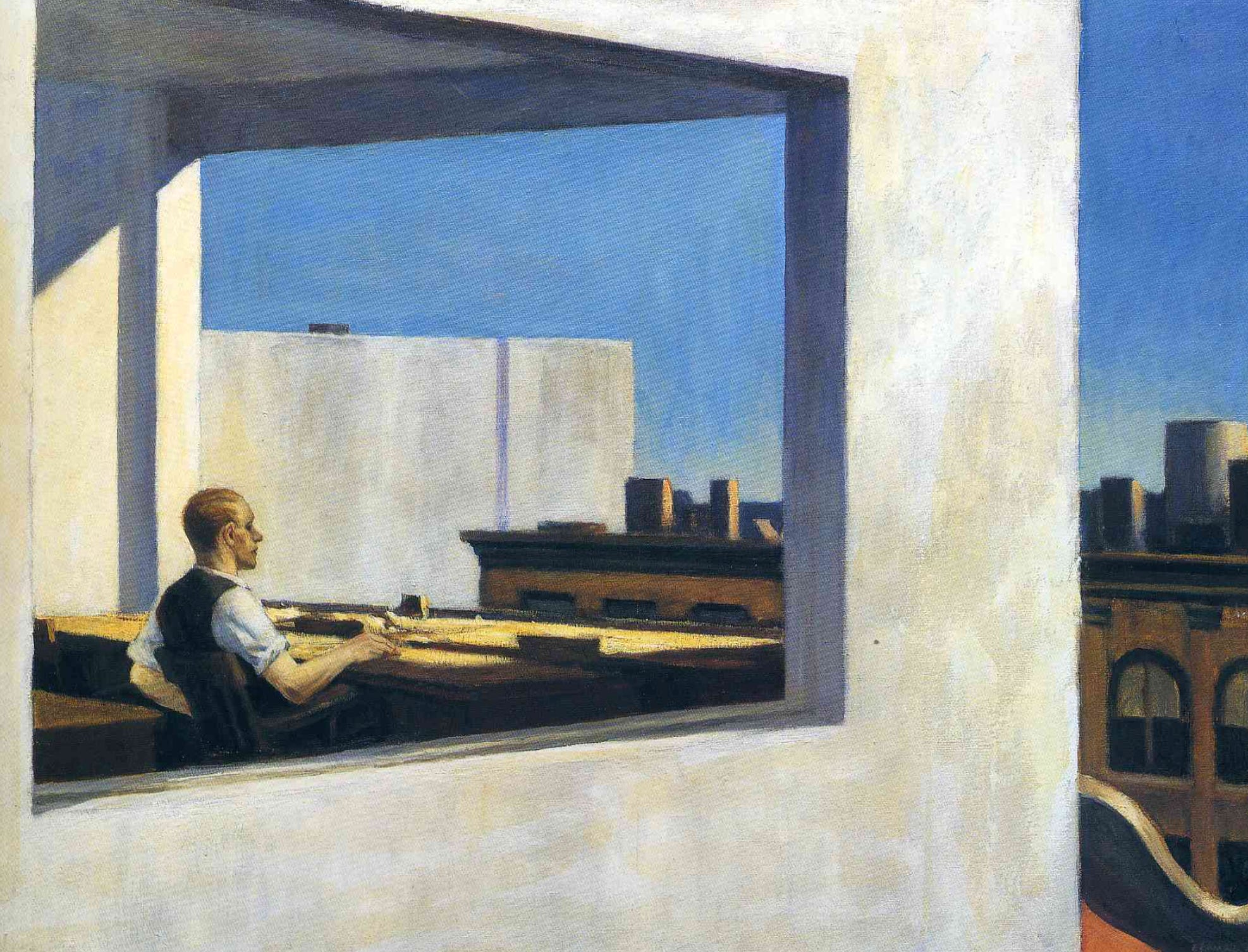
I pictured myself in my hotel room, a view of the parking lot, and the sound of announcers covering an MLB game as I sat on the bed and ate from a styrofoam container.
“Okay, what time?” I asked.
“Seven. Abilene Country Club.”
I took the elevator back down to the lobby and crossed the parking lot to my truck. I considered calling Kathryn, then decided to call Walters first as it would be the less enjoyable of the two conversations.
He answered immediately, “There he is. How’d it go? How are we looking?”
I find it strange the way leadership talks, as if we’re selling hot dogs. As if a surgeon is likely to stand up from the operating table, peel off their gloves and say, “Someone write this sales guy a check.”
“Everything seemed like it went well,” I told him, hoping to ease into it.
“And Ellison’s happy with the wire? He wants to move forward?”
“I think we’ll have to see. He had some technical concerns. The way the sheath and the wire interact and press against each other. He told me it was brought up during MedAlliance training days.”
“Well, did you talk him through all five points of performance?”
The question felt ridiculous enough that I didn’t mind lying. “I did, but he seemed to have his mind made up. Says the way it works, it causes pain for the patient.”
“That’s not true,” he said, frustrated. “Patient is under anesthesia anyway!”
A silence followed. I wasn’t sure how to respond; neither of us is a doctor, and the man was clearly in pain.
“I’m having dinner with Ellison and someone named Greg Alderman—at their country club. Maybe we’ll talk about it more.”
“Greg Alderman? Chief of Medicine Greg Alderman?”
“I think so. Ellison said he’s a VP?”
“He’s a founder—oversees the entire year’s budget. That’s who you’re having dinner with? We’ve been trying to get to him for eighteen months.”
“Ellison invited me to dinner with himself, and a Greg Alderman.”
“It helps to know who these people are ahead of time. The economic buyer, and the key decision maker.” I could tell he was upset and likely had a lot riding on this sale. “That way, when you’re invited to dinner, you go in with the right talking points, have the right pitch prepared.”
I don’t plan on delivering any “pitches,” I thought to myself.
Driving into Abilene Country Club you pass large ranch-style homes with half-circle driveways and four-car garages. Eventually, there’s a guardhouse with lights shining from the bushes, but no guard. I parked my truck next to a dozen vehicles- luxury SUVs and oversized pickup trucks, all of them immaculately clean.
The sun had just set, but there was enough light to see far across the flat ground of the golf course—water sprinklers running on fairways, tennis courts, and an outdoor pool. Inside, the foyer was lined with photos in wooden frames of past golf tournaments and there were trophies and mounted deer, and the whole place had a look of honey-stained wood that felt Texas enough to be a set piece.
Right away I spotted Ellison with a man of similar age, both wearing sport coats and cowboy hats, seated beneath a chandelier made of deer antlers.
“There he is,” Ellison announced as soon as he noticed me. “Greg, this is Tom, the MedAlliance rep I was telling you about. He attended my atherectomy this morning.”
I reached out and shook the man’s hand. “Pleasure to meet you.”
“Kirk here was telling me you served in the army? I’ve got a nephew at West Point. True you were in Special Forces?”
I nodded and caught Ellison’s eye. He looked apologetic.
“That’s right,” I said. “Until the end of last year.”
He shook his head, “Must be a tough son of a bitch then.”
I noticed the waitress approaching our table and stayed quiet long enough that the moment passed.
“What can I get you gentlemen to drink?”
“I’m thinking about this Antique Weller 107. Don’t think I’ve tried that one. That any good?” he asked the waitress, a young woman not older than twenty-five with dark hair and septum piercing.
“I’ve not had that one - but I can ask the bartender if you like?”
“That’s okay, I’ll try it,” he told her. “How about you, Kirk?”
“I’m going to have the usual. Woodford 12 Year, and I’ll take that with a single ice cube if you don’t mind?”
“Sure.” She said, shifting her eyes toward me.
“I’m good with water.”
I noticed the pause I’d felt before previously in the eighty-four days since my last drink. The disappointment and confusion when people realize the story they’ve been telling themselves about you doesn’t quite fit.
“You’ll enjoy that Weller,” Ellison said. “Did I tell you Sharon surprised me with a bottle of their single barrel on my birthday this year?”
“No kidding? I bet that’s something.” Alderman answered in a way that revealed there was something else he’d rather talk about. “So, Tom, maybe you can’t say, but what was the worst place you had to go being in the Special Forces? Can you even say?”
“I only deployed to Afghanistan, so I suppose it was the best and worst,” I told him, smiling politely.
“And what would they have you doing over there? What’s a typical day?”
Some answers are well-suited for wealthy Texans who wear shiny boots and eat steak at golf courses. But there’s also truth. Sometimes the two things overlap, but more often they don’t, and disappointing people rarely feels worth it.
“Nothing all that interesting, honestly,” I said. “A lot of routine—training, meetings, more clinical stuff than you might think.”
Alderman smiled, giving me the benefit of the doubt, though I suspected he knew I was being more evasive than modest. “That’s usually how this goes,” he said. “The guys who do the most. The stuff you see in the movies—they’re always the most humble about it.”
Ellison jumped in and asked if I’d seen Zero Dark Thirty and Lone Survivor, neither of which I had.
We ordered our steaks and they asked me a few more. What I thought about different rifles they owned, and about my time in training, and what things might look like for Alderman’s nephew once he graduates from West Point.
“Do you like to hunt, Tom?” Alderman asked just as my eyes settled on the collection of exotic deer mounted above the fireplace.
“A little bit, haven’t had too much time to get too into it,” I told him. I imagined what his response would be if I told him the only hunting I’d done was in the Hindu Kush, and not for animals.
“You know, I have a property, a ranch up in northern New Mexico. Last year, we had this group. I’m trying to think of the name… Hunting for Heroes, I want to say. They came out and I believe every single guy who attended killed something. I should connect you with those folks.”
“Really?” I said. “I’d appreciate that.”
They ordered another round of whiskey, and another one after that, and I wondered if my newfound sobriety was really a good thing. The remaining glasses on the table, ice melting in a quarter inch of whiskey—I knew it was all it would take to feel more comfortable. Feel less uncomfortable.
When the bill came, Ellison took reading glasses from his shirt pocket and found his credit card, which I noticed belonged to LoneStar. “You know I’ll tell you Greg… This morning, using MedAlliance’s newest guidewire with Tom here — I think I’m the most comfortable with that model. I think we’d be wise to place an order.”
I thought back to the procedure, to the patient.
“Is that right?” Alderman said, looking at me while he put on his jacket. “That sounds like a damn good idea.”
It was 10 PM by the time I started the drive back to the TownePlace Suites.
I called Kathryn who answered and let me know she was only a few minutes away from falling asleep.
“How was your day? How was everything?” she asked.
“Good enough, I suppose.”
“Tell me about it!” Kathryn has a kindness about her, a positivity and enthusiasm that makes people feel good about themselves.
“Procedure went well. Pretty sure the guy was a Vietnam vet. Ended up going to dinner with the physician and his boss at a golf course. Country club type deal.”
“Wait. The doctor invited you to dinner?”
“Yeah. We got to talking about the army. His boss’s nephew goes to West Point, so he invited me.”
“And, what did he think about the device? Are they going to buy?”
“I think so. During the surgery he brought up some issues he had, but right as we were leaving dinner, I guess he changed his mind.”
I parked my truck and walked through the empty lobby, past the front desk toward room 114.
“That’s great! So, that means we get your bonus!?”
“I guess. It’s hard to understand completely, but I guess that’s what that means.”
“Baby! That’s amazing. I’m so proud of you, but you don’t seem very excited?”
“I am,” I said. “It’s just been a long day.”
“And we can use some of that money to do the kitchen like we talked about?”
I paused. When we bought our new house we saved money by forgoing most of the premium add-ons they offered. Higher-end cabinets, backsplashes, light fixtures - none of which I really care about, but Kathryn does. Instead of buying them from the homebuilder, we agreed to save for a year and eventually hire someone to make the upgrades. “I guess. If that’s still what you want to do.”
I swiped my key card, entered the room, and sat on the edge of the bed. “I think I’m going to shower and go to sleep,” I told her. “How was Tommy’s day?”

“Good! I got onto him this evening for throwing his mac’n cheese at the dog, but overall good.”
I told her I would be home after the next day’s procedure and we said goodnight.
I took a phone charger from my bag and plugged it into the socket above the bedside table. I set my alarm and noticed an unread text that must have come in while talking to Kathryn.
From Tony Walters. “Hey. How was dinner?”
I lay back on the bed with my shoes still on and thought about how much new cabinets cost while listening to the hum of the air conditioner. After some amount of time, I turned off the light.
Ben Davis is a Navy veteran living in Golden, CO where he serves as ED of the Veterans’ Outdoor Advocacy Group and writes both fiction and non-fiction which can be found on his Substack, “The TRANSITION” by clicking the link below.
The art in this story is from Ed Hopper.

 | A guest post by
|
This is such a well written essay and a near perfect description of the soul-sucking drudgery of the mundane modern day workforce and the interactions with the soulless individuals that we come into contact with on a daily basis.
Ironically enough, I read this at 5:30 AM this morning before I went into work (contemplating all my decisions in life as I normally do at that hour), and experienced the same man walking his dog at the edge of the neighborhood. I then came into my healthcare job and experienced the same zombies checked out on their cell phones, and listened to the same trivial conversations amongst surgeons and mid-level practitioners on the other side of the drapes.
And for what it's worth, I was a firefighter/paramedic for 15 years working in a busy rough ghetto neighborhood making 40K a year. I retired from that and now I'm a nurse anesthetist and make 40K a month, and nothing much has changed. The bullshit is still all the same, just at a different level, in a different environment. Miss the brotherhood and camaraderie of the fire department though, every day of my life!
Spot on. Absolutely amazing. I've lived this and I'm sure many others have as well, but I've never heard it captured as accurately as this.